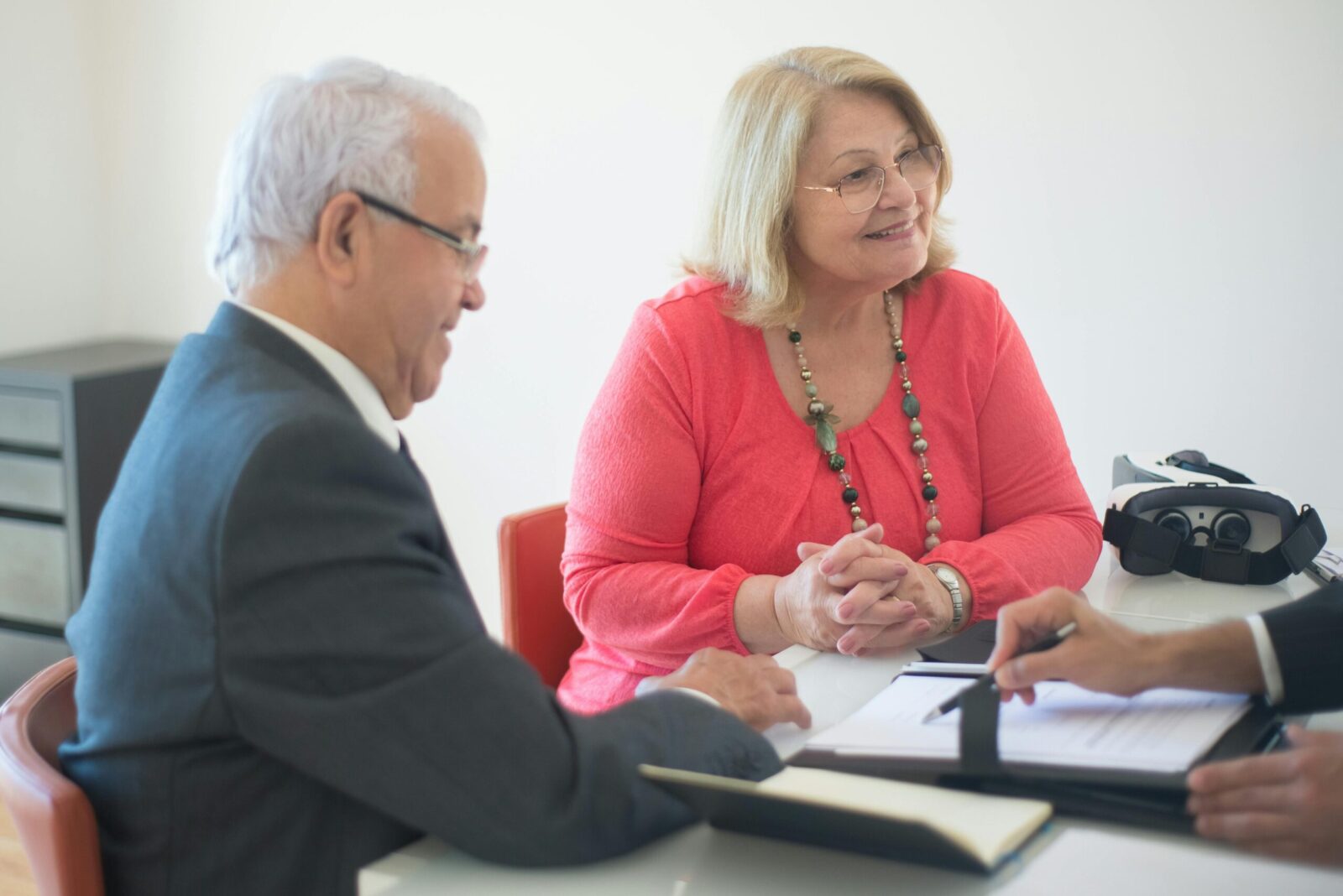
If you’re a homeowner in Broward County sitting on significant equity but feeling the squeeze of rising costs, a reverse mortgage can look like a lifeline. Used well, it can unlock cash flow, help you age in place, and add flexibility to your retirement plan. Used poorly, it can chip away at your legacy and trigger headaches for you or your heirs. This guide breaks down reverse mortgages in plain English, what they are, how they work in Florida, the real pros and cons for Broward seniors, and what to consider before you sign anything.
What A Reverse Mortgage Is And How It Works
A reverse mortgage lets you convert a portion of your home equity into cash without making required monthly principal and interest payments. You keep title to your home. Interest and fees accrue on the balance, which is typically repaid when you move out, sell, or pass away. The most common type is the Home Equity Conversion Mortgage (HECM), insured by the FHA and regulated by HUD.
Eligibility Basics In Florida And Broward
- You (and any co-borrower) must be 62 or older and live in the home as your primary residence.
- You must have sufficient equity. Existing mortgages are usually paid off at closing using reverse proceeds.
- You’ll complete a HUD-approved counseling session before application.
- The property must meet FHA standards: single-family homes, most FHA-approved condos, and certain multi-units (up to 4 units) where you live in one unit. Co-ops are not eligible for HECMs.
- You must stay current on property taxes, homeowners insurance (including windstorm and, if applicable, flood), HOA dues, and maintenance.
HUD updates lending limits and rules periodically. The maximum you can borrow depends on your age, interest rates, home value (subject to a cap set annually), and program type.
HECM, Proprietary, And Single-Purpose Options
- HECM: The standard reverse mortgage with federal insurance and consumer protections. Works for most Broward homeowners who qualify.
- Proprietary (jumbo) reverse mortgages: Offered by private lenders for higher-value homes above HECM limits or for certain condominium/co-op scenarios not eligible under FHA. Terms vary widely, scrutinize them.
- Single-purpose reverse mortgages: Rare in Florida: offered by some nonprofits or local agencies for specific uses (like repairs). These are typically smaller and more restrictive.
Payout Choices, Interest, And Repayment Triggers
You can receive funds as a lump sum, monthly payments, a line of credit, or a combination. Adjustable-rate HECMs allow flexible draws and lines of credit: fixed-rate versions are generally lump sum only.
Interest accrues on what you borrow, plus ongoing mortgage insurance premiums on HECMs. You’re not required to make monthly payments, but you can make voluntary payments to control the balance.
Repayment is triggered when you no longer live in the home as your primary residence, you sell, or you fail to meet obligations like taxes and insurance. At that point, the home is typically sold to repay the loan: any remaining equity goes to you or your estate.
Pros: When A Reverse Mortgage Can Help Broward Homeowners
Cash-Flow Relief Without Monthly Mortgage Payments
If your retirement income hasn’t kept pace with higher insurance, utilities, or healthcare, eliminating a monthly mortgage payment can free up hundreds or even thousands per month. You can use proceeds to cover essentials, build an emergency fund, or smooth income while delaying Social Security to its higher benefit age.
Aging In Place And Home Upgrades
A reverse mortgage can fund accessibility upgrades, wider doorways, no-step showers, generator installation, impact windows, roof work, so you can stay in the home and neighborhood you love. In Broward, where hurricane resilience matters, upgrades that reduce insurable risk may also lower premiums, stretching your dollars.
Line Of Credit Growth And Tax Considerations
With an adjustable-rate HECM, the unused line of credit grows over time, giving you a larger cushion later. That growth feature can be powerful in long retirements. In general, reverse mortgage proceeds are loan advances, not income, so they’re typically not taxable. Always check with a tax pro about your situation and possible state-level nuances.
Non-Recourse Protection And Borrower Safeguards
HECMs are non-recourse. You or your heirs never owe more than the home’s value when it’s sold to pay the loan, even if the balance has grown beyond that. HUD counseling, cooling-off periods, financial assessments, and servicing standards add layers of protection that didn’t exist decades ago.
Cons And Risks To Watch For
Upfront Fees, Ongoing Interest, And Equity Erosion
Expect origination charges, third-party closing costs, and FHA mortgage insurance premiums on HECMs. Interest and insurance accrue on the outstanding balance. Over time, your loan grows while your available equity shrinks. If leaving a large inheritance is a top priority, that trade-off may not fit your goals.
Taxes, Insurance, HOA Dues, And Maintenance Obligations
You must keep property taxes, homeowners (and windstorm) insurance, and any flood insurance current, plus pay HOA or condo dues and maintain the home. In Broward, windstorm premiums and special assessments can spike. Falling behind can trigger default and, eventually, foreclosure, even if you never missed a reverse mortgage payment.
Move-Out, Health Changes, And Foreclosure Risks
A move to assisted living for more than 12 consecutive months generally counts as leaving the home. If you or your spouse might need extended care soon, consider whether you could realistically sell or repay in that scenario. Also, if a non-borrowing partner lives with you, ensure they’re protected per program rules: otherwise, they may face displacement when the loan becomes due.
Impacts On Heirs, Estate Plans, And Needs-Based Benefits
Because the balance grows, your heirs may inherit less. They’ll have options, sell, refinance, or deed-in-lieu, but timelines can be tight. Reverse funds can affect eligibility for means-tested benefits like Medicaid or SSI if proceeds are held past the month received. Coordinate with an elder-law attorney to align the loan with your estate plan and benefits strategy.
Broward-Specific Considerations
Property Taxes, Homestead Exemption, And Portability
Florida’s homestead exemption can reduce your taxable value and cap assessment increases under Save Our Homes. A reverse mortgage doesn’t cancel homestead benefits as long as the property remains your primary residence. If you think you may move within Florida, portability can transfer some of your SOH savings to a new homestead, useful if you’re also weighing downsizing.
Windstorm And Flood Insurance In Coastal And Canal Areas
Much of Broward faces elevated wind risk, and many neighborhoods back onto canals or sit in flood zones. Lenders will require adequate windstorm coverage and, if your property is in a Special Flood Hazard Area, flood insurance as well. Both premiums have risen across South Florida: build conservative estimates into your budget so the reverse mortgage truly improves cash flow.
Condo/Co-Op Eligibility And HOA Financial Health
For HECMs, condo projects generally need FHA approval or a single-unit (spot) approval under current rules. Co-ops typically aren’t eligible for HECMs, though some proprietary programs may consider them. Just as important: your HOA’s reserves, special assessment history, and insurance. Underfunded associations or high assessments can derail your application or make ongoing costs unsustainable.
Hurricane Resilience, Repairs, And Appraisal Realities
Appraisers will note condition issues like roofs near end-of-life, non-impact windows, or deferred maintenance. Significant repairs may be required before or as a condition of closing. In storm season, scheduling appraisals and contractor work can take longer. Plan for delays, and consider setting aside part of your proceeds to finish repairs quickly.
Alternatives To Consider Before You Commit
Downsizing Or Selling (With Homestead Planning)
Selling and moving to a smaller or inland home can reduce insurance, taxes, and upkeep. If you stay in Florida, look at Save Our Homes portability and timing so you don’t lose your accumulated cap. Weigh transaction costs against long-term savings.
HELOCs, Cash-Out Refinances, And Personal Loans
A HELOC or cash-out refi can be cheaper upfront, but you’ll have required monthly payments. If steady income comfortably covers those payments, these might preserve more equity. If not, the risk of payment strain is real, especially when rates rise.
Local Tax Deferrals, Grants, And Assistance Programs
Check Broward County and city programs for seniors: property tax payment plans, energy-efficiency grants, low-income senior exemptions, and home repair assistance. While smaller than a reverse mortgage, stacking these benefits can close the gap without touching your equity as much.
Room Rentals, ADUs, Family Support, Or Shared-Equity
Renting a room or creating an accessory dwelling unit (where allowed) can add income. Family cost-sharing or a private intra-family loan, properly documented, may keep interest in the family. Shared-equity agreements trade a portion of future appreciation for cash today: read those contracts carefully, as they can be costly over time.
How To Decide And Move Forward
Estimate Total Costs And Compare To Alternatives
Price the whole picture: origination, closing costs, mortgage insurance (for HECM), servicing fees, and expected interest. Model different draw strategies, lump sum vs. line of credit, and estimate insurance, taxes, HOA dues, and maintenance over the next 5–10 years. Compare that to downsizing, a HELOC, or doing nothing.
Questions To Ask Lenders And HUD-Approved Counselors
- How much can you access now vs. after 12 months, and under which rate type?
- What’s the current margin and index, and how will adjustments impact the balance?
- What are all fees at closing and annually? Any set-asides for taxes/insurance?
- How are non-borrowing spouses protected on this loan?
- What timelines apply when the loan becomes due, and what options will your heirs have?
A counseling session with a HUD-approved counselor is required for HECMs and is your chance to sanity-check assumptions with a neutral party.
Documentation, Appraisals, And Closing Timeline
You’ll provide identification, proof of age and occupancy, income/asset information for the financial assessment, mortgage statements, tax and insurance documents, and (for condos) HOA/insurance packets. Expect an appraisal, sometimes two. In Broward, plan on roughly 30–60+ days from application to closing, longer if repairs or condo reviews are needed.
Avoiding Scams And High-Pressure Sales Tactics
Don’t respond to unsolicited pitches. Be skeptical of anyone tying a reverse mortgage to home improvement contractors, annuities, or “limited time” investments. Never add someone to title at the last minute without legal advice. If something feels rushed or unclear, pause and get a second opinion from a counselor or elder-law attorney.
Conclusion
A reverse mortgage can be a practical tool for Broward seniors who want to age in place, shore up monthly cash flow, and make the home safer and more resilient. It’s not free money, and the costs, obligations, and impact on your equity are real. If you take the time to model your options, pressure-test the numbers with a HUD counselor, and account for Broward-specific insurance and HOA realities, you’ll know whether a reverse mortgage fits your retirement plan, or whether another path serves you better.
No responses yet