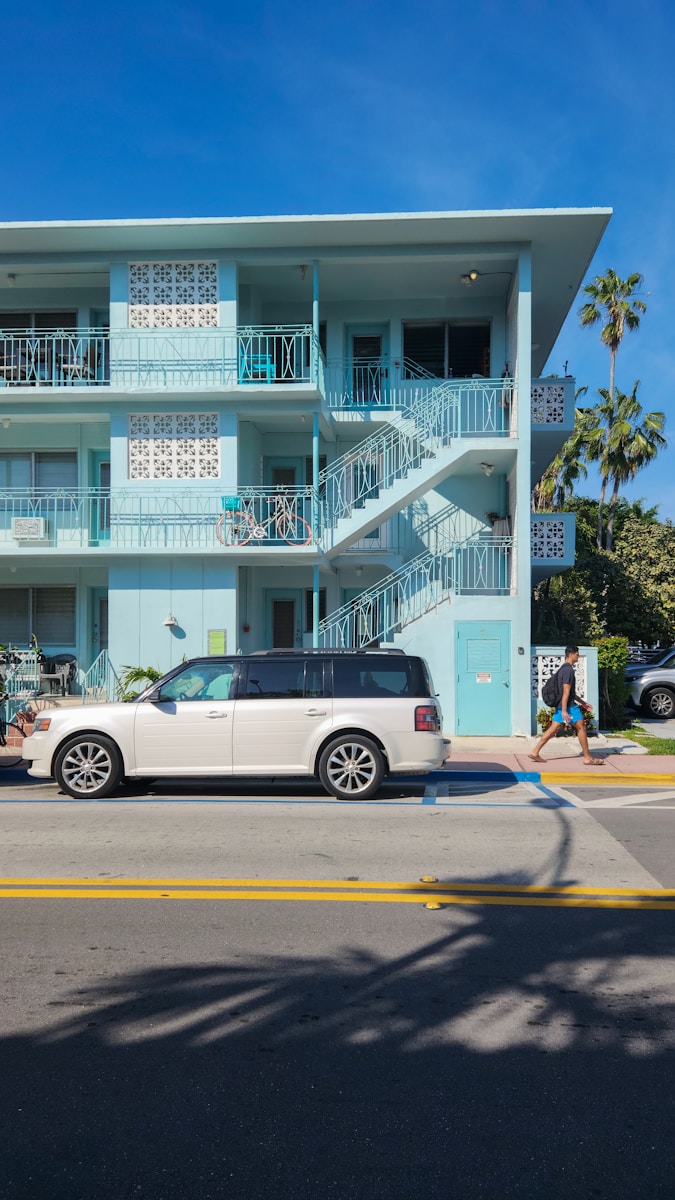
Florida light is gorgeous, and brutal. The best coastal curb appeal isn’t just about picking a pretty exterior paint color: it’s about choosing colors and coatings that stay vibrant in relentless UV, salt spray, humidity, and storm season. If you want exterior paint colors that withstand Florida sun, you’ll need the right palette, the right product, and a smart application plan. Here’s how to nail all three.
How Florida Sun, Salt, And Storms Affect Exterior Color
Florida’s UV index regularly sits at the high end, which accelerates pigment breakdown and binder degradation. That’s the root cause of fading, chalking (a powdery surface), and that washed-out look you see on older coastal homes. Dark, saturated hues absorb more energy and tend to lose saturation faster unless they’re built on UV-stable pigments.
Salt is the next villain. In coastal zones, microscopic salt crystals land on siding, trim, and metal. They attract moisture, encourage mildew, and, if left un-rinsed, can etch and dull the finish. Salt also increases the conductivity of water, which speeds corrosion on fasteners and railings, often leading to rust stains that visually “age” paint jobs.
Then there are storms. Wind-driven rain forces moisture into hairline cracks: thermal shock from rapid sun-then-storm cycles expands and contracts substrates. On stucco, this can open micro-fissures: on wood, it can lift edges and stress seams. Improper coating systems blister or peel when moisture pressure builds under the film.
Your color success in Florida depends on countering these forces: pigments that shrug off UV, binders that resist chalking, coatings that breathe enough to release vapor, and maintenance that keeps salt and mildew in check.
Color Principles That Stay Vibrant In Coastal Light
UV-Stable Pigments And Fade Resistance
Not all pigments are created equal. In Florida, you want exterior colors formulated around inorganic, UV-stable pigments, think iron oxides for beiges and browns: mixed metal oxides for many soft greens and blues: titanium dioxide for whites. These hold their hue longer than many organic pigments used in bright reds or super-saturated yellows. If you’re eyeing bold accents, look for coatings marketed with “fade-resistant” or “color-lock” technology and ask for the pigment base details. Translating that: a soft aqua built on mineral pigments will outlast a neon turquoise built on fragile organics.
The LRV Sweet Spot For Stucco And Siding
Light Reflectance Value (LRV) tells you how much visible light a color reflects, on a 0–100 scale. In Florida, a mid-to-high LRV exterior is your friend. For stucco and fiber-cement, the sweet spot is typically 55–75 LRV: high enough to reduce heat load and color fade, but not so bright that every ripple or patch telegraphs. Whites and near-whites (LRV 80+) can look stark in coastal glare and may highlight texture irregularities. Deep colors (LRV < 30) heat up, stress substrates, and fade faster unless you’re using a specialty “cool” formulation. If your HOA allows deeper hues, choose versions with higher Solar Reflectance or “cool color” technology to offset heat gain.
Heat Gain, Solar Reflectance, And Hue Selection
Florida exteriors live under intense infrared. Lighter hues reflect more energy, keeping wall temps lower, which reduces thermal cycling damage and slows color fade. That’s why sandy beiges, shell whites, sea-mist greens, and foggy grays age gracefully. Blues and greens generally outperform reds and violets for fade resistance because their stable pigment families are more UV-resilient. If you love a darker body color, pick one with published Solar Reflectance (SR) or a “cool” pigment package and pair it with lighter trim to balance visual weight and heat exposure.
Paint Systems Built For Florida Exteriors
100% Acrylic Vs. Elastomeric On Stucco And Masonry
For most coastal homes, a premium 100% acrylic exterior paint is the workhorse: excellent adhesion, color retention, and permeability that lets vapor escape, key in humid climates. Elastomeric coatings excel at bridging hairline cracks on stucco and CMU: they form a thicker, flexible film. But be selective: some elastomerics can trap moisture if not properly specified for breathability or applied too thick. Use elastomeric when crack-bridging is the priority and the substrate is dry and well-primed: choose top-tier 100% acrylic when color longevity and overall balance (breathability, dirt pick-up resistance, easier recoats) matter most.
New stucco needs an alkali-resistant masonry primer and adequate cure time (often 28 days) before topcoats. Skip that, and you risk alkali burn that distorts color and undermines adhesion.
Sheen Selection For Siding, Trim, And Doors
Sheen changes everything in Florida light. Flat/Matte hides stucco imperfections but can hold onto dirt and mildew. A fine-textured flat designed for exteriors is a solid compromise. For lap siding and fiber-cement, a low-sheen or satin sheds dirt better and adds subtle depth that reads great in coastal sun. Trim does best in satin or semi-gloss for crisp highlights and easier washing. Front doors? Semi-gloss or gloss for pop and durability, just verify UV stability if you’re going bold.
Additives That Matter: Mildewcides, UV Inhibitors, Salt-Spray Durability
Seek coatings labeled with mildewcides suited to humid, warm climates. UV absorbers and hindered amine light stabilizers (HALS) slow binder and pigment breakdown, extending color life. In true marine zones (within a mile of the coastline), look for products tested to salt-spray standards and formulated to resist corrosion staining around fasteners and railings. Pair the paint with high-quality sealants, siliconized or urethane-modified acrylics, for joints that flex without cracking under thermal shifts.
Coastal-Ready Palettes And Accent Ideas
Classic Coastal Neutrals: Sand, Shell, And Seagrass
You can’t go wrong with sun-smart neutrals that echo the shoreline: sandy taupes, shell whites with a whisper of warmth, and pale seagrass greens. These hues sit in the mid-to-high LRV range, reflect heat, and look softly luminous rather than stark. They also mask salt film between rinses better than pure, cold whites.
Fresh Pastels With Staying Power: Aqua, Coral, And Mint
Pastels read brighter in Florida glare, so go a shade grayer or dustier than your first instinct. A muted aqua, weathered coral, or mineral mint, built on stable pigment families, delivers that breezy Key West vibe without fading to chalk. Keep the body color airy and let depth come from shadow lines and landscaping.
High-Contrast Trim And Front Door Accents
Contrast is your curb-appeal accelerator. Pair a light, warm body with cool, crisp trim, or flip it with creamy trim against a misty gray-blue body. For the front door, lean saturated: deep teal, navy, black-green, or a confident coral. If the door bakes in direct afternoon sun, choose a formula with UV inhibitors and a higher-gloss sheen to resist fading and fingerprints.
Coordinating With Roof, Pavers, And Landscape
Always map color to fixed elements. Concrete tile roofs skew warm: metal roofs can reflect cool or warm depending on finish: asphalt blends vary. Sample your body color alongside roof, gutters, and pavers in daylight. If your pavers have variegated reds and charcoals, a neutral body with a slight green or blue undertone often calms the palette. Lush tropical landscaping supports cooler body colors: xeric or coastal dune plants pair nicely with sandy warms.
Sampling, Application, And HOA-Friendly Compliance
Test Boards, Sun-Path Checks, And Wet/Dry Reads
Don’t trust tiny chips. Paint large foam boards (at least 24×36 inches) with two coats of your top contenders. Move them around the house to see east, south, and west exposures and review at three times: early morning, high noon, and late afternoon. Colors shift when wet and when fully cured: note the wet-to-dry change and give samples 24–48 hours before judging. If you’re near the beach, leave panels out a week to see how salt film and glare affect perceived brightness.
Primer Choice, Coat Counts, And Recoat Windows
On stucco or masonry, use an alkali-resistant masonry primer, especially on new or previously chalky surfaces. On chalked paint, wash thoroughly and lock it down with a bonding or masonry primer as needed. Two full, uniform topcoats deliver true color depth and better fade resistance than a single heavy coat. Respect recoat windows: in Florida humidity, drying can lag. Paint within the label’s temperature and humidity range, and aim for shade, not direct blazing sun, to reduce lap marks and surfactant leaching.
Navigating HOA Palettes And Historic Guidelines
HOAs often publish approved palettes and LRV limits to control glare and heat. Pull the spec sheet and cross-reference color codes before you fall in love. Submit physical samples or photos of your test boards for faster approvals. In historic districts, you may need historically appropriate hues and matte sheens: you can still choose UV-stable versions within those ranges. Keep a record of final color names, formulas, sheens, and batch numbers, future touch-ups and approvals will be easier.
Maintenance To Maximize Fade Resistance
Annual Wash Schedule And Mildew Prevention
Plan a gentle, annual wash to remove salt, dirt, and mildew nutrients. Use a garden hose or low-pressure rinse and a mild exterior cleaner. For mildew-prone areas (north-facing, shaded spots), a solution of 1 part household bleach to 3 parts water with a bit of dish soap can help, rinse thoroughly and protect plants. Avoid aggressive pressure washing that can scar the film.
Touch-Ups, Caulk Checks, And Repaint Cycles
Keep a labeled gallon from your last job for touch-ups, and note the batch number. Check caulked joints every spring: re-seal any splits before summer storms. In coastal Florida, well-specified systems typically look great 6–10 years on lighter bodies and 4–7 on darker or high-exposure elevations. Don’t wait for heavy chalking, repainting at the first signs of uniform fade preserves substrate and keeps curb appeal sharp.
Storm Season Inspections And Salt Rinse Practices
After big blows, walk the envelope: look for hairline stucco cracks, lifted wood grain, popped caulk, and any blistering from trapped moisture. Address issues fast, before UV bakes them in. If you’re within a mile of the Gulf or Atlantic, a quick hose-down every few weeks during dry spells helps keep salt from etching and dulling glossy accents like doors and railings.
Conclusion
When you match color science with Florida reality, your home’s exterior can look fresh for years. Choose UV-stable, mid-to-high LRV hues, pair them with a coastal-tough acrylic or elastomeric system as needed, mind sheen, and sample in real sun. Rinse salt, stop mildew early, and keep caulk tight. Do that, and your coastal curb appeal won’t just survive the Florida sun, it’ll make the neighbors a little jealous.
No responses yet