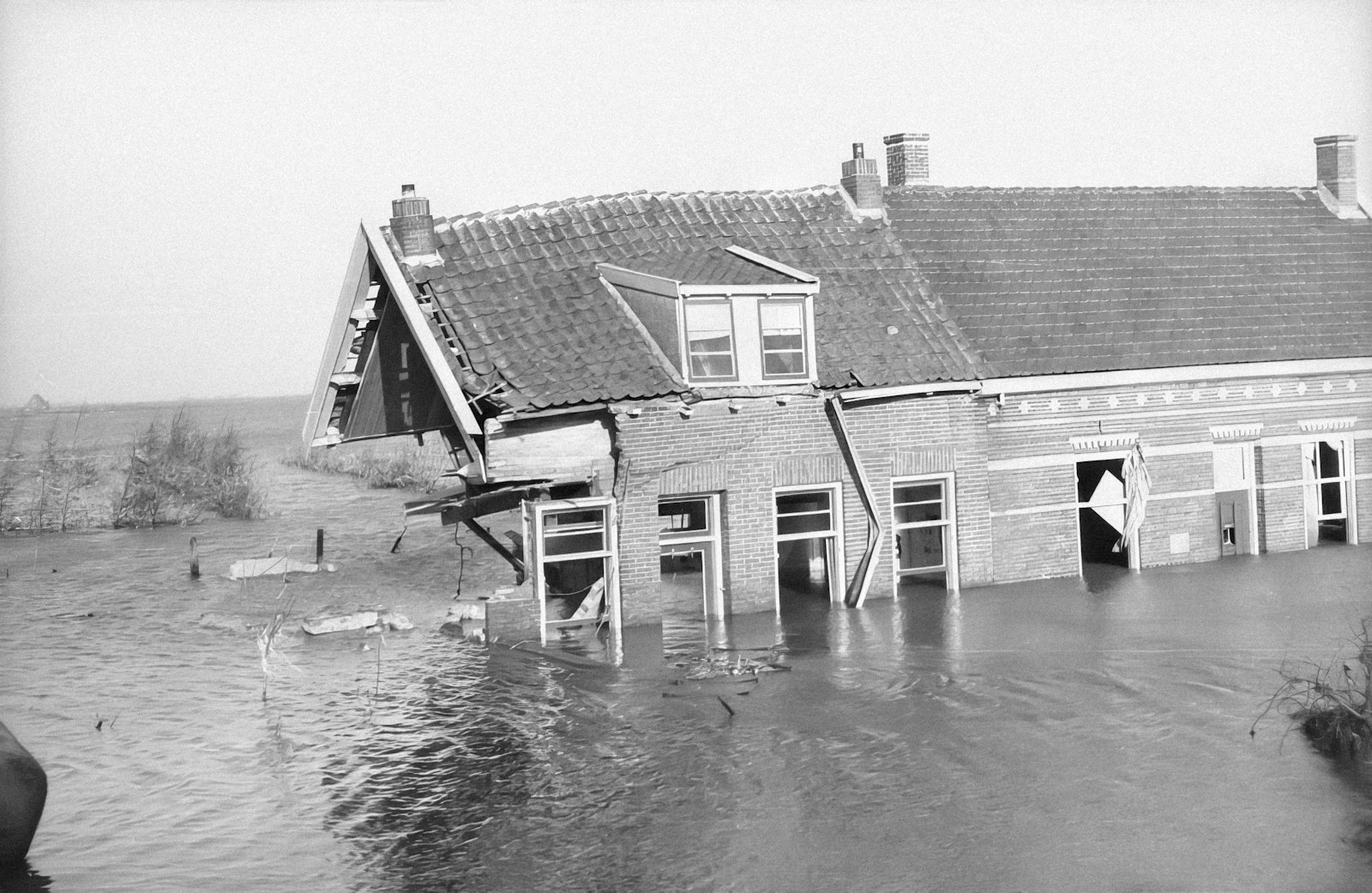
If you own a home anywhere near the Atlantic or the Intracoastal in Broward County, flood risk isn’t abstract, it’s the afternoon king tide creeping up your driveway or the storm surge model you hoped would stay theoretical. This guide breaks down home flood insurance in plain terms, zeroing in on mandatory coverage zones in coastal Broward so you know when insurance is required, how to check your property’s status, and what actually drives your rate.
Why Flood Insurance Matters on the Broward Coast
Broward’s coast, think Fort Lauderdale, Hollywood, Pompano Beach, Deerfield Beach, Dania Beach, Hallandale Beach, and Lauderdale-by-the-Sea, sits at the intersection of storm surge exposure, low elevations, and tidal flooding. Tropical systems can stack water dramatically: even distant storms push higher tides. Add heavier downpours and drainage limits, and you get frequent street flooding and more homes reporting water intrusion.
Here’s the part many owners learn too late: homeowners insurance doesn’t cover flood (rising water from outside). Only a dedicated flood policy, through the National Flood Insurance Program (NFIP) or a private insurer, does. And if your home is in a high-risk zone with a mortgage, your lender will require it. Even in lower-risk zones, a few inches of water can total flooring, baseboards, drywall, and electrical, repairs that can easily run into five figures.
You protect your equity with flood insurance: you protect your budget by understanding how zones and ratings work in coastal Broward.
Understanding FEMA Flood Zones and Mandatory Purchase Rules
Special Flood Hazard Areas (Zones A and V)
FEMA designates Special Flood Hazard Areas (SFHAs) as Zones A and V. If your structure touches these zones on the Flood Insurance Rate Map (FIRM), it’s considered high risk.
- Zone A: Riverine and inland flooding, plus stillwater and ponding. Along the coast, some A zones exist behind dunes or barriers where waves are less severe.
- Zone V: Coastal high-velocity wave zones where breaking waves of 3 feet or more are possible during the base flood. On the barrier islands and east of the Intracoastal, V zones are common. Building standards here are stricter, think pile foundations and breakaway enclosures.
When Insurance Is Required for Mortgages and HELOCs
If you have a federally backed mortgage or any loan from a federally regulated lender secured by a building in an SFHA (A or V), flood insurance is mandatory for the life of the loan. That includes refinances and most HELOCs if the line is secured by the structure. Lenders must ensure you carry coverage at least equal to the lesser of: the loan balance, the NFIP maximum, or the building’s insurable value. If you don’t maintain it, the lender will force-place coverage, usually more expensive and far less flexible.
What’s Not Mandatory but Still Risky (Zones X and Shaded X)
Zone X (including Shaded X, the moderate-risk area) is outside the SFHA, so lenders typically don’t require flood insurance. But “not required” isn’t “no risk.” In Broward, heavy rain, king tides, and drainage backups routinely affect X zones. The upside: premiums are usually much lower for X zones, especially with NFIP Preferred Risk policies. Many of the most affordable claims you can prevent are the ones you insure before the map ever says you must.
How to Find Your Property’s Flood Zone in Broward
Using FEMA’s Map Service Center and Broward County GIS
Start with FEMA’s Map Service Center (MSC). Plug in your address and view the interactive map to see your zone, panel number, and map effective date. Then cross-check with Broward County’s GIS flood mapping viewer, which overlays local data and can be easier to interpret. If you’re in a municipality, many city websites link to localized flood tools and outreach pages.
Save a PDF of the FIRM panel and note whether any Letters of Map Change (LOMAs/LOMRs) affect your parcel. Your insurance agent or lender may ask for these.
Reading FIRMs: Base Flood Elevation, V Lines, and Coastal Hazards
On a FIRM, look for:
- Zone label: A or V signifies an SFHA.
- V-line boundaries: If your lot touches a V zone, treat compliance seriously.
- Base Flood Elevation (BFE): The height water is projected to reach during the 1% annual chance event. Compare BFE to your home’s elevation to understand risk and potential compliance requirements.
- Coastal features: Dunes, Limit of Moderate Wave Action (LiMWA) lines, and velocity flow arrows signal wave hazards. If you see LiMWA, expect design standards similar to V zones even within some A zones.
Elevation Certificates and the Lowest Floor Definition
Under FEMA’s Risk Rating 2.0, you don’t always need an Elevation Certificate (EC) to get a quote, but having one can refine your rating. The EC documents your structure’s elevations, including the Lowest Floor Elevation (LFE). For rating and building code purposes, “lowest floor” can mean different things, but for floodplain management it’s typically the lowest enclosed area including basements and certain enclosed spaces unless they’re compliant enclosures used only for parking, access, or storage with proper flood vents. In coastal Broward, many homes have ground-level enclosures under living space: whether those areas are compliant (and properly vented) matters to both your safety and your premium.
Costs, Coverage, and Premium Drivers
NFIP vs. Private Flood: Limits, Deductibles, and Waiting Periods
NFIP residential building coverage tops out at $250,000, with up to $100,000 for contents. Deductibles typically range from $1,000 to $10,000. The standard NFIP waiting period is 30 days unless you’re closing on a loan or increasing coverage due to a map change: private carriers sometimes offer shorter waits (as little as 7–15 days) and higher limits, including excess layers beyond NFIP.
Private flood can be competitive along the Broward coast, especially for elevated homes or X zones, and often bundles additional coverages. But terms vary widely and can change year to year. If you rely on a lender’s acceptability list, confirm that your private policy meets their requirements.
What Flood Policies Cover (Building vs. Contents) and Common Exclusions
Flood insurance covers direct physical loss by flood, rising water from outside. Building coverage applies to the structure and essential systems: foundation, electrical and plumbing, HVAC, built-in appliances, and permanently installed flooring and cabinets. Contents coverage is separate for personal property inside the insured building.
Common exclusions you should expect:
- Additional living expenses (ALE/loss of use) under NFIP policies.
- Pools, decks, docks, fences, and landscaping.
- Finished items in basements and below elevated floors, depending on compliance.
- Mold, mildew, and moisture damage when avoidable or not promptly addressed.
Private policies may add or tighten certain provisions, read them closely.
Premium Factors in Coastal Areas: Elevation, Openings, and Distance to Shore
Risk Rating 2.0 looks beyond zone letters. In coastal Broward, your price reflects:
- Building elevation relative to ground and to expected flood levels.
- Distance to the shoreline and tidal waters, including the Intracoastal.
- First-floor height, foundation type (piles vs. slab), and presence of compliant flood openings.
- Number of floors, enclosure type, and equipment location (A/C, electrical, water heater).
- Prior claims and continuous coverage history.
Two similar homes a few blocks apart can see very different premiums because micro-siting and construction details matter.
Reducing Risk and Managing Your Rate
Mitigation for Coastal Homes: Elevation, Vented Enclosures, and Utilities
If your home sits on piles, keep the ground-level enclosure minimal, use flood-damage-resistant materials, and install properly sized, low-sill flood vents. Elevate utilities and critical equipment above BFE (preferably above design flood elevation). If you’re on slab, consider retrofits like flood openings for attached garages, elevating mechanicals, and installing backflow valves. Good drainage maintenance, cleared swales and functioning sump/pumps, reduces the chance of minor but costly claims.
Grandfathering, Newly Mapped Properties, and Risk Rating 2.0
Traditional zone-based grandfathering is largely phased out under Risk Rating 2.0. Instead, FEMA uses a glidepath approach for many existing policyholders, smoothing premium increases toward their full risk rate. If you were newly mapped into an SFHA, you may qualify for transitional rating that starts at X-zone rates and increases annually with continuous coverage. The practical takeaway: don’t let your policy lapse: continuity preserves favorable treatment where available.
LOMA/LOMR Options and Post-FIRM vs. Pre-FIRM Structures
If a licensed survey shows your natural ground or building elevations are above the mapped flood level, you can request a Letter of Map Amendment (LOMA) to revise your property’s status. Larger changes to floodplains or engineered improvements use a Letter of Map Revision (LOMR). A successful LOMA can remove the mandatory purchase requirement and sharply reduce premiums, though insurers may still rate based on actual risk factors.
“Pre-FIRM” means built before your community’s first FIRM took effect: “Post-FIRM” means after. In coastal Broward, many older homes are pre-FIRM. Post-FIRM structures typically meet higher elevation and foundation standards and often rate better.
Community Rating System Discounts in Broward Municipalities
Many Broward communities participate in FEMA’s Community Rating System (CRS), earning residents 5%–25% premium discounts depending on the city’s class. Activities like improved drainage standards, public outreach, and stronger building codes count. Check your city (e.g., Fort Lauderdale, Hollywood, Pompano Beach, Deerfield Beach) for its current CRS class. The discount applies automatically to eligible NFIP policies in those municipalities.
Practical Tips for Coastal Broward Homeowners
Condos and HOAs East of the Intracoastal
If you’re in a condo, the association may carry an RCBAP (Residential Condominium Building Association Policy) for the building shell. You’re typically responsible for an HO-6 policy with contents coverage, and sometimes interior finishes, depending on the condo documents and how the RCBAP defines building items. Confirm the master policy limits: inadequate RCBAP coverage can leave a gap for unit owners after a large loss.
Second Homes, Short-Term Rentals, and Surcharges
NFIP adds a higher surcharge for non-primary residences. If you rent short-term (even occasionally), your place may count as non-primary. Private carriers may rate differently for rentals, but expect higher premiums if the home is frequently unoccupied or used as a vacation rental.
Force-Placed Coverage, Proof of Insurance, and Lender Requirements
In A or V zones with a loan, your lender will require evidence of flood insurance each renewal. If they don’t get proof, they’ll buy force-placed coverage and bill you, often at a steep cost and with limited terms. Avoid this by calendaring your renewal, responding to verification requests, and ensuring your policy’s building limit meets your lender’s minimum. If you switch from NFIP to private (or vice versa), time the change so there’s no gap.
Claims Basics: Documenting Damage, Proof of Loss, and Substantial Damage Rules
After a flood, photograph and video everything before cleanup: water lines on walls, damaged contents, and serial numbers on appliances. Keep receipts for mitigation (pumps, fans, tarps). Promptly file your claim: the NFIP Proof of Loss is generally due within 60 days of the flood (deadlines are sometimes extended after major disasters). If the cost to repair equals or exceeds 50% of your home’s pre-damage market value, your local floodplain administrator may deem it “substantially damaged,” triggering requirements to bring the building into current code, often including elevation. Knowing this ahead of time helps you plan rebuild decisions and insurance limits.
Conclusion
Coastal Broward’s flood picture is nuanced: mandatory coverage zones hinge on more than a single letter on a map, and your rate depends on details as specific as your vent area and how far you are from tidal water. If you live in A or V zones with a mortgage, flood insurance isn’t optional. If you’re in X or Shaded X, it’s still one of the smartest buys you can make, especially before the map or the tide proves the point.
Pull your FIRM panel, get or update your Elevation Certificate, and price both NFIP and private options. Then invest in the mitigation steps that move the needle. You’ll protect your coastal lifestyle and your bottom line in the same stroke.
No responses yet