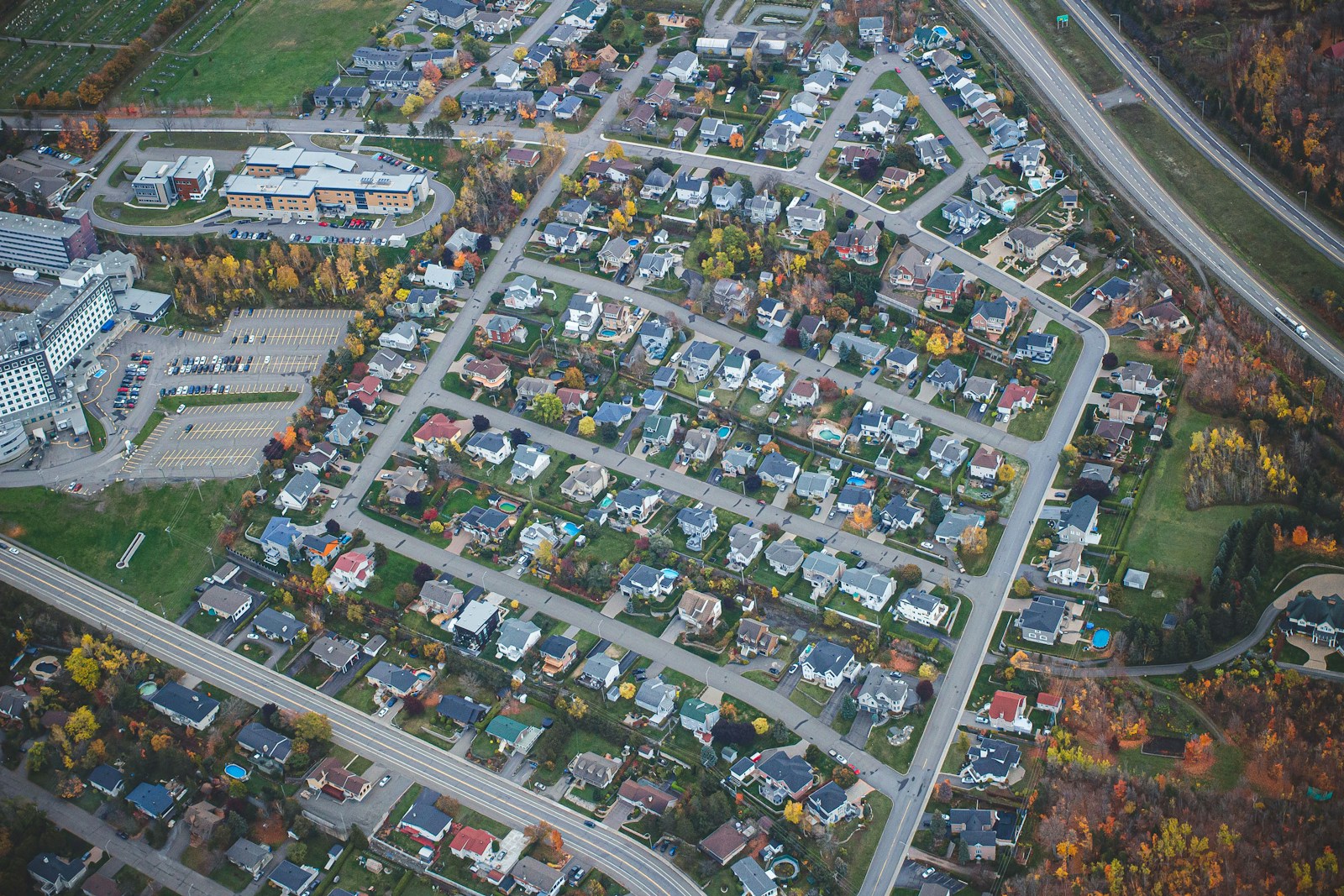
If you’ve been house-hunting in the newer suburbs of Broward, especially west of I‑75, you’ve probably spotted a “CDD fee” on listings or tax estimates. It’s not another HOA due, and it’s not a random surcharge either. A CDD fee is how many new Florida communities fund the big-ticket infrastructure and amenities you enjoy from day one. Understanding how Community Development Districts work, what your fee covers, and how it affects your payment helps you buy with eyes wide open, and negotiate smart.
How Community Development Districts Work In Florida
Why CDDs Exist In New Broward Suburbs
In Florida, a Community Development District (CDD) is a special-purpose local government created under Chapter 190, Florida Statutes. Developers use CDDs to finance, build, and maintain infrastructure, roads, stormwater systems, water and sewer lines, street lighting, parks, trails, and sometimes clubhouses, without asking taxpayers outside the community to foot the bill.
In fast-growing parts of Broward, CDDs let new neighborhoods open with finished entrances, lakes, sidewalks, and amenities instead of waiting years for the county or city to budget those improvements. The district issues bonds to pay for construction, then homeowners repay those bonds over time through the CDD fee. It’s a “pay for what you use” model that’s common in new master-planned areas throughout South Florida.
Who Governs A CDD And How Decisions Are Made
A CDD is run by a five-member Board of Supervisors. Early on, when few or no homes are occupied, landowners (often the developer) elect the board. As the community builds out and statutory milestones are reached (time in existence and resident population), control transitions to resident-elected supervisors. Meetings are public, budgets are published, and decisions follow Florida’s Sunshine laws.
The board sets the annual budget, determines the assessment (your CDD fee), approves maintenance contracts, and decides whether to refinance bonds when market rates improve. You can attend meetings, review agendas and audits, and even run for a seat once the district shifts to resident elections.
What Your CDD Fee Covers: Breaking Down The Bill
Debt Service vs. Operations And Maintenance
Your CDD fee typically has two pieces:
- Debt Service: This repays the bonds that funded initial infrastructure. It’s usually a fixed annual amount per lot or per assessment unit and runs for a set term (often 20–30 years from issuance). Think of it as your share of the “mortgage” on the neighborhood’s backbone systems.
- Operations & Maintenance (O&M): This funds the district’s yearly expenses, landscaping of common areas and entry features, stormwater lake management, security or gate systems, lighting, reserve contributions, and insurance. O&M can rise or fall year to year based on contracts and needs.
On your tax bill, these may appear as two separate non‑ad valorem assessments for your CDD.
How Long CDD Fees Last And When They Can Change
The Debt Service portion lasts until the bonds are paid off or refinanced. Some owners prepay the principal to eliminate their future Debt Service line, ask the district manager if prepayment is allowed and what the payoff would be. O&M continues for as long as the district exists because the infrastructure still needs care.
Changes can happen when:
- Bonds are refinanced, lowering the Debt Service amount.
- O&M contracts are rebid, costs of labor/materials rise, or new amenities are accepted for maintenance.
- The community transitions from developer to resident control and recalibrates service levels.
Always review the adopted budget and any proposed assessments each summer: CDDs typically finalize annual assessments before the county tax roll is prepared.
How CDD Fees Are Assessed, Collected, And Enforced
Where The CDD Appears On Your Property Tax Bill
In Broward, the CDD fee is levied as a non‑ad valorem assessment and billed on your county property tax statement. You’ll see it in the Non‑Ad Valorem section, often as two lines: one for Debt Service and one for O&M. Because it’s on the tax bill, most lenders escrow it alongside property taxes and homeowners insurance.
Penalties, Delinquencies, And Refinancing Bonds
If you don’t pay, the CDD assessment is collected with the same teeth as property taxes. Delinquencies can lead to a tax certificate sale and, if unresolved, the tax deed process, serious consequences that sit ahead of your mortgage in lien priority.
On the flip side, districts can refinance their bonds if interest rates drop or if the tax base grows. Refinancing can reduce annual Debt Service for every home in the district. Ask the district manager whether refinancing has been completed recently or is under consideration.
CDD Fees vs. HOA Dues: What’s The Difference?
HOAs and CDDs do different jobs. An HOA is a private association that enforces deed restrictions, architectural guidelines, parking rules, and use of amenities. It collects dues to run the association, management, community events, private amenities not owned by the CDD, and sometimes security.
A CDD is a governmental entity that owns or maintains public-facing infrastructure, lakes and stormwater systems, perimeter landscaping, entry monuments, internal roads in some cases, and certain recreational facilities. CDD budgets and audits are public: HOA budgets are member-only but still required to meet Florida HOA statutes.
Who Maintains What, And Budget Transparency
Maintenance lines can overlap, so read both budgets. For example, a CDD might maintain the irrigation pump station and lakes, while the HOA maintains the clubhouse staff and private tennis courts. CDDs publish budgets, audits, meeting agendas, and minutes on their websites and the Florida Special Districts portal, giving you more transparency into cost drivers than you often get with an HOA alone.
CDD Costs In New Broward Communities: What To Expect
Typical Annual Ranges And Factors That Drive Costs
In newer Broward communities, you’ll commonly see total CDD fees in the ballpark of $1,200 to $3,000 per year for a single-family home. Amenity-heavy or larger-lot neighborhoods can reach $3,500–$5,000. Townhomes and villas sometimes sit lower if the initial bond allocation or O&M shares are smaller.
Drivers of your specific number include:
- Bond size per unit (how much infrastructure was financed and how it was apportioned).
- Amenity level (guard gates, resort pools, fitness centers cost more to operate).
- Lot size and “equivalent residential unit” (ERU) formulas used by the district.
- Contract pricing for landscaping, lake treatments, and insurance.
- Whether the district has refinanced bonds or prepaid portions of the principal.
Examples Of Amenities And Infrastructure You’re Funding
Your CDD fee helps cover tangible stuff you see daily: the dramatic entry monument and lush median landscaping: the lakes that manage stormwater and double as scenic views: street lighting, sidewalks, and multi‑use paths: perimeter walls and guardhouse systems: pocket parks and tot lots: and in some districts, the clubhouse shell and pools. It’s the backbone that makes a brand‑new suburb feel established immediately.
How A CDD Impacts Your Monthly Payment And Taxes
Mortgage Escrow, Insurance Ratios, And Deductibility Considerations
Because the CDD fee appears on your tax bill, most lenders escrow it. That means your monthly payment (the “I” in PITI is insurance: the “T” includes county taxes and non‑ad valorem assessments like CDD) will reflect one‑twelfth of your estimated CDD for the year. If your CDD is $2,400 annually, expect about $200 added to your monthly escrow.
On deductibility: generally, the IRS allows a deduction for state and local real property taxes that are based on assessed value (ad valorem). CDD assessments are typically non‑ad valorem and tied to benefit, not value, so they’re usually not deductible as property taxes. Some capital-type assessments may increase your cost basis instead of being deductible. The SALT cap complicates things further. Bottom line, ask your CPA how your specific CDD lines should be treated.
Comparing Two Homes: With A CDD vs. Without
Say Home A has no CDD and annual property taxes of $9,000. Home B has similar taxes but a $2,400 CDD ($1,600 Debt Service + $800 O&M). If both are escrowed:
- Home A: tax portion adds $750/month to escrow.
- Home B: tax portion adds $950/month ($750 taxes + $200 CDD).
But here’s the nuance: Home B may have a lower base price because the developer used CDD financing instead of rolling all infrastructure costs into the sales price. Over time, if the Debt Service is retired or refinanced, your monthly outlay can drop. Run a full payment comparison, including HOA dues, homeowners insurance, and flood if applicable, before you choose.
How To Evaluate A Home With A CDD: A Buyer’s Checklist
Finding Official Documents, Disclosures, And Meeting Minutes
Start with the district’s official website and the Florida Department of Commerce’s Special Districts portal. Look for: the current year adopted budget, the most recent audited financials, the assessment roll for your phase/lot, any bond offering documents, and meeting agendas/minutes. Pull the property’s proposed or current tax bill from the Broward County Records, then verify the CDD lines and amounts.
Developers and sellers in Florida provide a CDD disclosure summary in new-build contracts: read it. For resales, ask for the estoppel or assessment confirmation letter from the district manager to confirm balances and whether any Debt Service prepayments were made.
Questions To Ask Your Lender, Agent, And Closing Team
- Lender: Will you escrow the CDD? What’s the monthly estimate? Will this affect my debt-to-income approval? If Debt Service can be prepaid, how would that change my ratios?
- Agent: How do CDD fees here compare to nearby new communities? Any pending refinances or expansions that might change O&M?
- Title/Closing: Are there any outstanding CDD balances or payoff options? Can you obtain a payoff letter if I want to prepay Debt Service at or after closing? Are there recorded boundary amendments affecting my parcel?
One more tip: attend or watch a board meeting. You’ll get a feel for priorities, upcoming projects, and whether costs are trending up or down.
Pros And Cons Of Buying In A CDD Community
Benefits you can feel right away: finished infrastructure from day one, cohesive landscaping, and amenities that would be tough to fund privately. Governance is transparent, and refinancing can reduce long-term costs. In competitive Broward suburbs, a CDD often helps deliver a polished neighborhood without pushing the initial home price even higher.
Trade‑offs: an extra line on your tax bill, O&M that can fluctuate, and strict enforcement if you fall behind. Not every buyer loves the idea of a special district, and some future purchasers will weigh your CDD fee against comparable homes without one.
Long-Term Value, Resale Considerations, And Exit Timing
Resale buyers care about the calendar. A home with 8 years left on Debt Service may feel different from one with 24 years left. If your district refinances or if you prepay principal, highlight that when you list. Keep copies of budgets, audits, and any payoff confirmations: transparency helps. If you’re planning to sell soon, time your listing after the district adopts a budget with stable or lower assessments.
Conclusion
A CDD fee isn’t a gotcha: it’s the financing and maintenance plan behind the streets you drive, the trails you jog, and the lakes that keep your yard dry in a storm. In new Broward suburbs, CDDs are common, and manageable, once you understand the split between Debt Service and O&M, how the assessments hit your escrow, and what you’re getting for the money. Do a side‑by‑side payment comparison, pull the official district docs, and ask pointed questions about refinancing and prepayment. When you do, you’ll know exactly what you’re buying into and how to make it work for your budget.
No responses yet