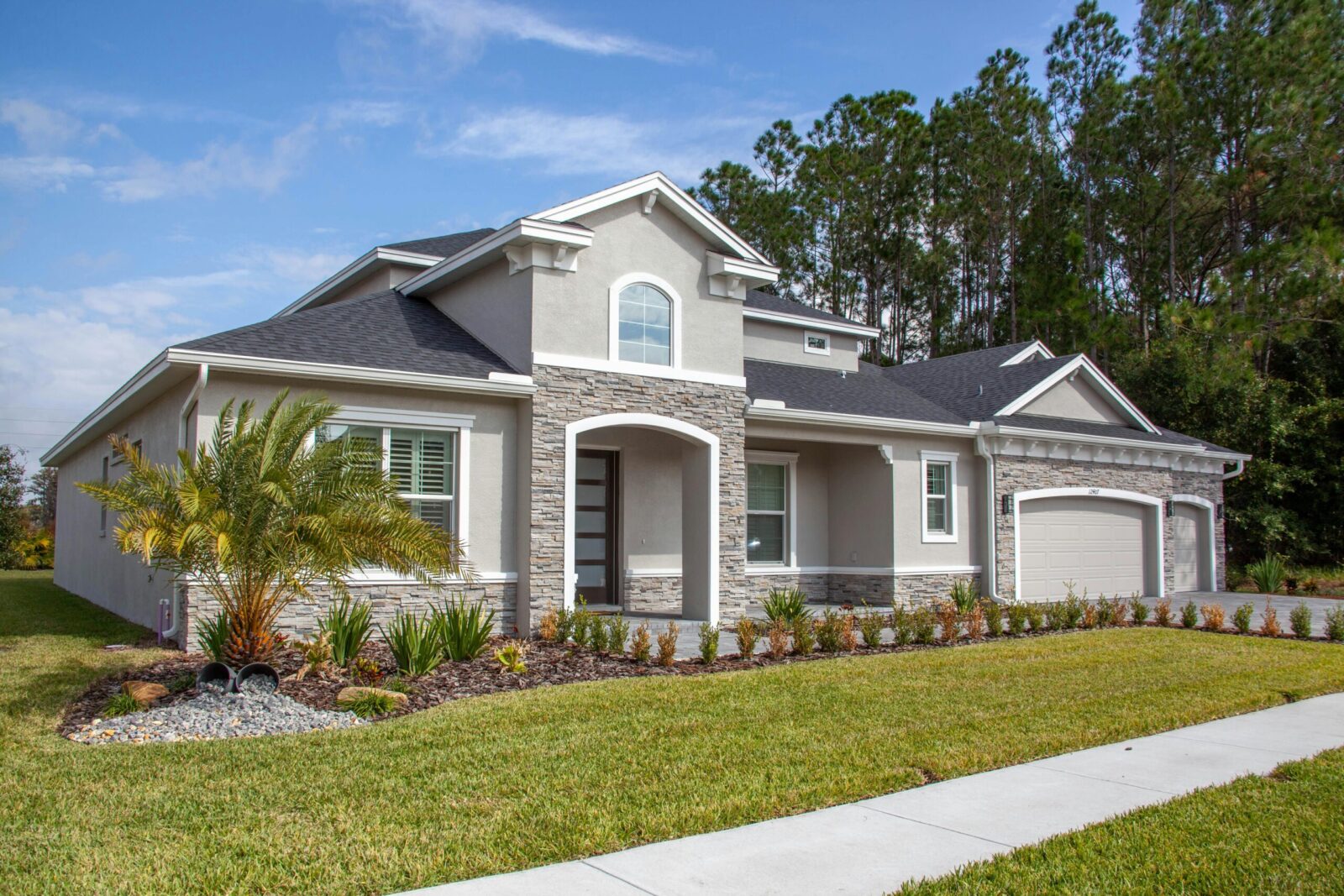
Buying in South Florida demands more than a basic mortgage comparison. Between condos with evolving HOA rules, flood and windstorm premiums, and tight appraisal conditions, the difference between an FHA vs. conventional loan can make or break your budget, and even your offer’s acceptance. Here’s how to choose the right loan for Miami‑Dade, Broward, or Palm Beach without stepping on hidden landmines.
Quick Comparison: FHA vs. Conventional at a Glance
Minimum Down Payment and Source of Funds
FHA lets you buy with as little as 3.5% down if your credit score is 580 or higher: 500–579 typically requires 10% down. All of your down payment and closing costs can be gifted on an FHA primary residence. Conventional loans go as low as 3% down for qualifying first-time buyers and 5% down otherwise. Gifts are allowed for primary residences, but documentation is stricter and your own funds may be required in some scenarios. If you need maximum flexibility on sourcing funds, think family gifts or down payment assistance, FHA is often easier.
Credit Score and DTI
FHA is more forgiving with credit history and higher debt-to-income ratios, frequently approving up to the mid‑50% range with strong compensating factors. Conventional typically caps around 45%–50% DTI depending on your profile. If your credit is thin, has some late payments, or you carry higher DTI due to insurance costs common in South Florida, FHA may approve what conventional will price up or decline.
Mortgage Insurance Rules
FHA mortgage insurance premium (MIP) includes an upfront amount financed into the loan and an annual premium. If you put less than 10% down, the annual MIP stays for the life of the loan: with 10% or more down, it lasts at least 11 years. Conventional private mortgage insurance (PMI) can be removed after you reach 80% loan‑to‑value (you can request an early cancellation) and automatically drops at 78% if you’re on schedule. If your plan involves rapid appreciation or aggressive principal paydown, conventional’s removable PMI is attractive.
Appraisal and Property Standards
FHA appraisals include additional safety and habitability checks, roof condition, peeling paint, utilities on, handrails installed, and no obvious hazards. Conventional appraisals focus primarily on value, with more leeway on minor defects. In older South Florida homes and condos, FHA’s minimum property requirements can trigger repair conditions. If a property’s a little rough around the edges, conventional may keep the deal simpler.
Condo Eligibility
FHA condo purchases typically require the building to be FHA‑approved or to qualify for a single‑unit approval (owner‑occupied, LTV limits, and tighter project scrutiny). Conventional loans follow Fannie/Freddie warrantability standards. Many South Florida condos are navigating reserve shortfalls and milestone inspections: that can derail both FHA and conventional, but FHA’s project rules can be tougher. If you’re eyeing a boutique or older building, conventional often has better odds, or you’ll need a portfolio lender.
Refinancing and PMI Removal
FHA offers a popular Streamline Refinance if rates drop and you’ve made on‑time payments. But you can’t simply “remove” FHA MIP, most borrowers refinance into a conventional loan once equity climbs. Conventional PMI, by contrast, can be canceled with enough equity or a new appraisal, which can be a real cost saver if South Florida values move in your favor.
South Florida Factors That Sway the Choice
Condo Market Dynamics
Post‑Surfside reforms, including milestone inspections and stricter reserves, have exposed financially weak associations. Lenders now dig into budgets, reserve contributions, and special assessments. If the HOA is imposing large assessments, conventional lenders may mark the project as non‑warrantable: FHA may decline the project approval entirely. Practically, that pushes many condo buyers to hunt warrantable buildings, and to favor conventional financing where single‑unit approvals aren’t viable.
Flood Zones and Insurance Premiums
In designated Special Flood Hazard Areas, flood insurance is generally mandatory. Premiums under FEMA’s Risk Rating 2.0 can be substantial, especially for older slab‑on‑grade homes, low elevation, or prior claims. Higher flood premiums raise your DTI and may tip the scale toward FHA if you need flexibility. If the elevation certificate shows a strong elevation advantage or the home sits outside high‑risk zones, conventional may regain the edge.
Windstorm Coverage and Deductibles
Hurricane coverage in South Florida often includes percentage deductibles (2%–10%). Carriers may require newer roofs or impact windows. Big deductibles shift your reserves and cash‑to‑close planning. Lenders, especially conventional, will look for adequate coverage and reasonable deductibles. If you’re tight on reserves because of wind premiums, FHA’s DTI tolerance can help, but you’ll still need to meet insurance requirements before clear‑to‑close.
HOA Health and Special Assessments
Underfunded reserves, deferred maintenance, or pending litigation can sink a loan approval. Conventional warrantability reviews scrutinize these issues: FHA project approvals do too, sometimes more stringently. Large special assessments can count against your DTI. Reviewing meeting minutes, budgets, and reserve studies early can save you heartache, and may dictate whether FHA vs. conventional is even possible.
Climate Resilience and Appraisal Considerations
Appraisers in coastal neighborhoods increasingly consider roof age, elevation, and storm‑hardening features like shutters and impact glass. Homes that are resilient can appraise stronger and insure cheaper. If you’re stretching for value in a hot pocket of Miami Beach or Fort Lauderdale, conventional plus a potential appraisal waiver can beat FHA’s stricter appraisal conditions and timelines.
Qualification, Costs, and Loan Limits
Credit and DTI Flexibility
If your mid‑score sits in the low‑ to mid‑600s, FHA rates and MIP often produce a lower total monthly payment than conventional with steep loan‑level price adjustments. As your score rises into the high‑600s and 700s, conventional pricing typically improves, and the benefit of cancellable PMI becomes more pronounced. If your DTI is stretched by flood/wind premiums or HOA dues, FHA’s tolerance can be the difference between approved and almost approved.
Rates, Points, and MI/PMI Cost Over Time
FHA often posts slightly lower note rates than conventional for the same borrower, but the upfront and annual MIP add to your true cost. Conventional may show a higher rate but offer cheaper long‑run cost because PMI can drop off. In South Florida, where appreciation can be uneven by neighborhood, run a 5‑ to 7‑year horizon: If you expect equity to hit 20% relatively quickly, or you plan a remodel that boosts value, conventional usually wins by year three to five. If you’ll hold long‑term in a condo with slower appreciation, FHA’s steady cost could be predictable, albeit with lifetime MIP under 10% down.
Loan Limits in Miami-Dade, Broward, and Palm Beach
Loan limits adjust annually. Conventional conforming limits are set by FHFA: FHA has separate floor/ceiling limits by county. In recent years, conforming limits increased significantly, and FHA ceilings rose as well. Miami‑Dade, Broward, and Palm Beach often have higher limits than the national floor, but the exact figures change year to year. Because limits affect whether you qualify for FHA or must go conventional or jumbo, verify the current county limits with your lender before you shop. If your price point brushes the ceiling, conventional may offer more breathing room than FHA in certain ranges.
Cash to Close: Gifts, Grants, and Seller Credits
FHA allows up to 6% seller concessions toward closing costs and prepaid items. Conventional allows 3% with less than 10% down, 6% with 10%–25% down, and 9% at 25%+ down for primary homes. Both programs can pair with Florida down payment assistance where eligible. If you’re negotiating credits to offset wind or flood premiums, FHA’s higher seller concession cap can be a real advantage, especially on entry‑level price points.
Property, Condo, and Appraisal Rules
FHA Minimum Property Requirements
FHA looks for a safe, sound, and secure home. Think functioning utilities, no exposed wiring, working AC, no active leaks, no major trip hazards, peeling paint addressed on homes built before 1978, and adequate roof life. If the appraiser calls out issues, the seller may need to complete repairs before closing. In humid South Florida, moisture intrusion and soft spots around showers are common flags, plan time for fixes.
Conventional Condition and Appraisal Leeway
Conventional lenders mainly care about marketability and value. Minor deferred maintenance may pass. You’ll still hit roadblocks for significant safety issues or unpermitted additions that impact value, but conventional can be less fussy about cosmetic or small repairs. In multiple‑offer situations, this can make your offer cleaner in a seller’s eyes.
Condo Project Approvals and Single-Unit Approvals
For FHA, the condo must be on the approved list or meet single‑unit approval criteria, including owner‑occupancy rates, reserve contributions, insurance coverage, and no red‑flag litigation. Conventional requires the project to be warrantable under Fannie/Freddie guidelines, adequate reserves (often 10% of the budget), no critical deferred maintenance, and manageable special assessments. If the project is non‑warrantable, you may need a specialty portfolio loan with higher rates and down payments. That’s often the inflection point where conventional paths diverge.
Repairs, Escrows, and Re-Inspection Timing
If repairs are required, your timeline matters. Some lenders will allow escrow holdbacks for weather‑delayed exterior work, but many won’t for major issues. Appraisers generally must re‑inspect repairs, which can add days to closing. In hurricane season, scheduling contractors and re‑inspections can be tricky, build a time buffer into your financing contingency and set expectations with the seller upfront.
Who Should Choose FHA vs. Conventional
Buyers with Limited Savings or Lower Credit
If you’re below a 680 score, need to use gift funds for most of your down payment, or your DTI inflates due to HOA dues and insurance, FHA usually delivers a smoother approval and a competitive payment. It’s also a strong fit if you’re early in building credit or recovering from past hiccups.
Strong Credit Borrowers Seeking Removable PMI
If your score is solid, think high‑600s into the 700s, and you can put at least 5% down, conventional is often cheaper over the life of the loan. You’ll have the option to remove PMI as equity grows, especially if you buy in a neighborhood with strong comps or plan improvements like impact windows or a new roof that can lift value and reduce insurance.
Condo Buyers and Non-Warrantable Scenarios
For many South Florida condos, conventional is more realistic due to project approval hurdles. If the building is FHA‑approved, great, FHA can work. But when reserves are thin or assessments loom, a conventional warrantable path is your best shot. If it’s non‑warrantable, you’ll likely pivot to a portfolio lender with larger down payment needs: neither standard FHA nor conventional may fit.
Higher Price Points and Jumbo Alternatives
At higher price points, you may bump into FHA limits. Conventional conforming or jumbo loans pick up where FHA stops. Jumbo loans have tighter credit, reserve, and DTI requirements, but they can offer competitive rates for well‑qualified buyers. If you’re targeting coastal single‑family homes in premium neighborhoods, plan on conventional or jumbo from the start.
How to Decide: Steps and Offer Strategy
Get Insurance Quotes Early (Flood and Wind)
Before you fall in love with a property, pull preliminary quotes with the address, roof age, and elevation if available. A gorgeous deal can get wrecked by a flood premium or a 5% hurricane deductible. Share quotes with your lender so DTI reflects reality.
Verify Condo Docs and Budget Before Offering
Ask for the most recent budget, reserves, meeting minutes, and any engineering or milestone reports. You’re looking for adequate reserves (often 10%+ line item), no material structural issues, and manageable assessments. Your loan choice may change once you see the building’s financials.
Run Side-by-Side Loan Estimates
Have your lender produce detailed estimates for FHA vs. conventional on the same property at the same price, including estimated insurance. Compare not just the monthly payment but also total cash to close, break‑even on points, and 3‑, 5‑, and 7‑year cost projections. If you’re likely to refinance or remove PMI quickly, conventional’s long‑term edge grows.
Strengthen Your Offer: Pre-Underwriting, Timelines, Appraisal Gap Options
A fully underwritten pre‑approval beats a basic pre‑qual every time. Discuss shortened loan and inspection timelines only if your lender can hit them. If you’re going conventional and comfortable with the comps, an appraisal gap clause backed by extra reserves can separate your offer in competitive neighborhoods. For FHA, reduce seller friction by addressing potential repair issues upfront and being transparent about timing.
Conclusion
There’s no one‑size answer to FHA vs. conventional in South Florida, because insurance realities, condo project health, and county loan limits nudge the math in different directions. If you need maximum flexibility on credit, DTI, or gift funds, FHA can open the door. If you’ve got stronger credit and expect equity to build, conventional’s removable PMI and appraisal advantages usually win. Do the boring work early, insurance quotes, condo docs, side‑by‑side estimates, and you’ll make a confident choice that fits both your budget and your offer strategy.
No responses yet